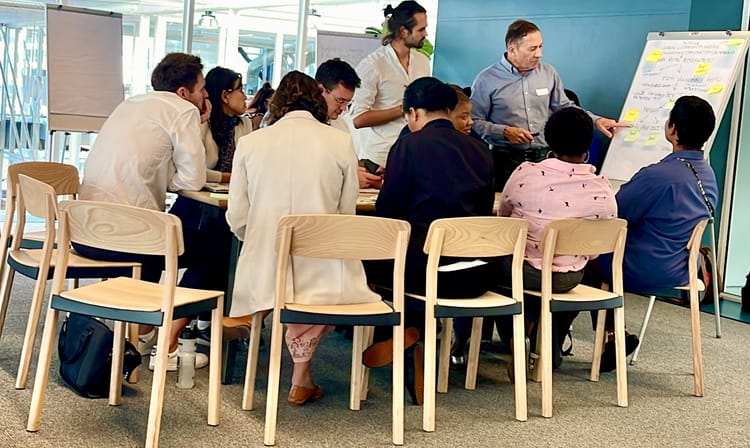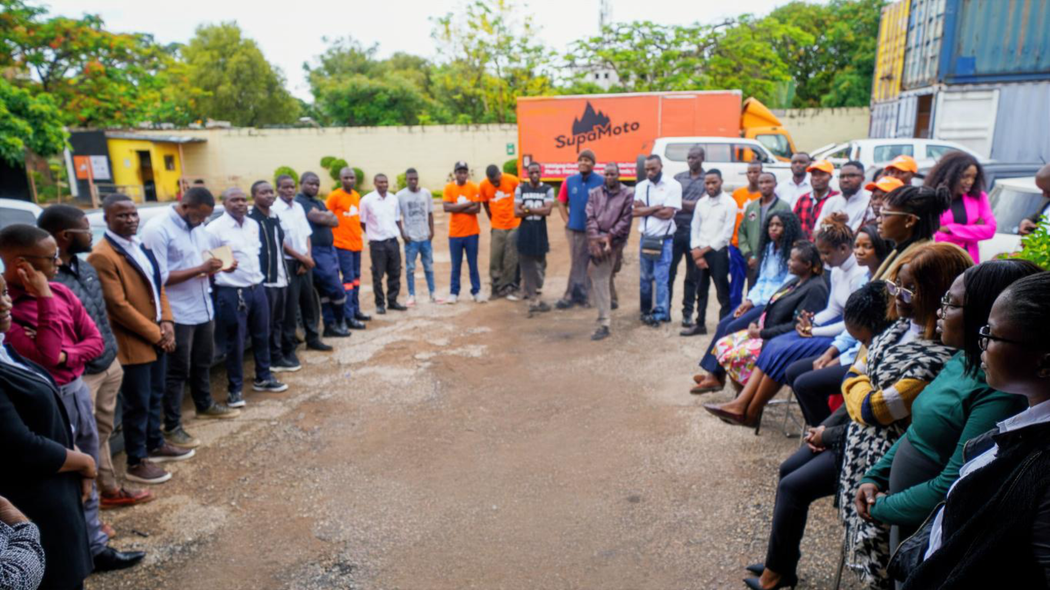

At the SupaMoto head office in Lusaka, twelve customers sat in a circle, and every single one started the same way: "I love this stove." They described cooking times cut in half, fuel costs that actually fit their budgets, and neighbors who stop by constantly asking how to get one. The enthusiasm was real - the kind of product-market fit most impact ventures dream about.
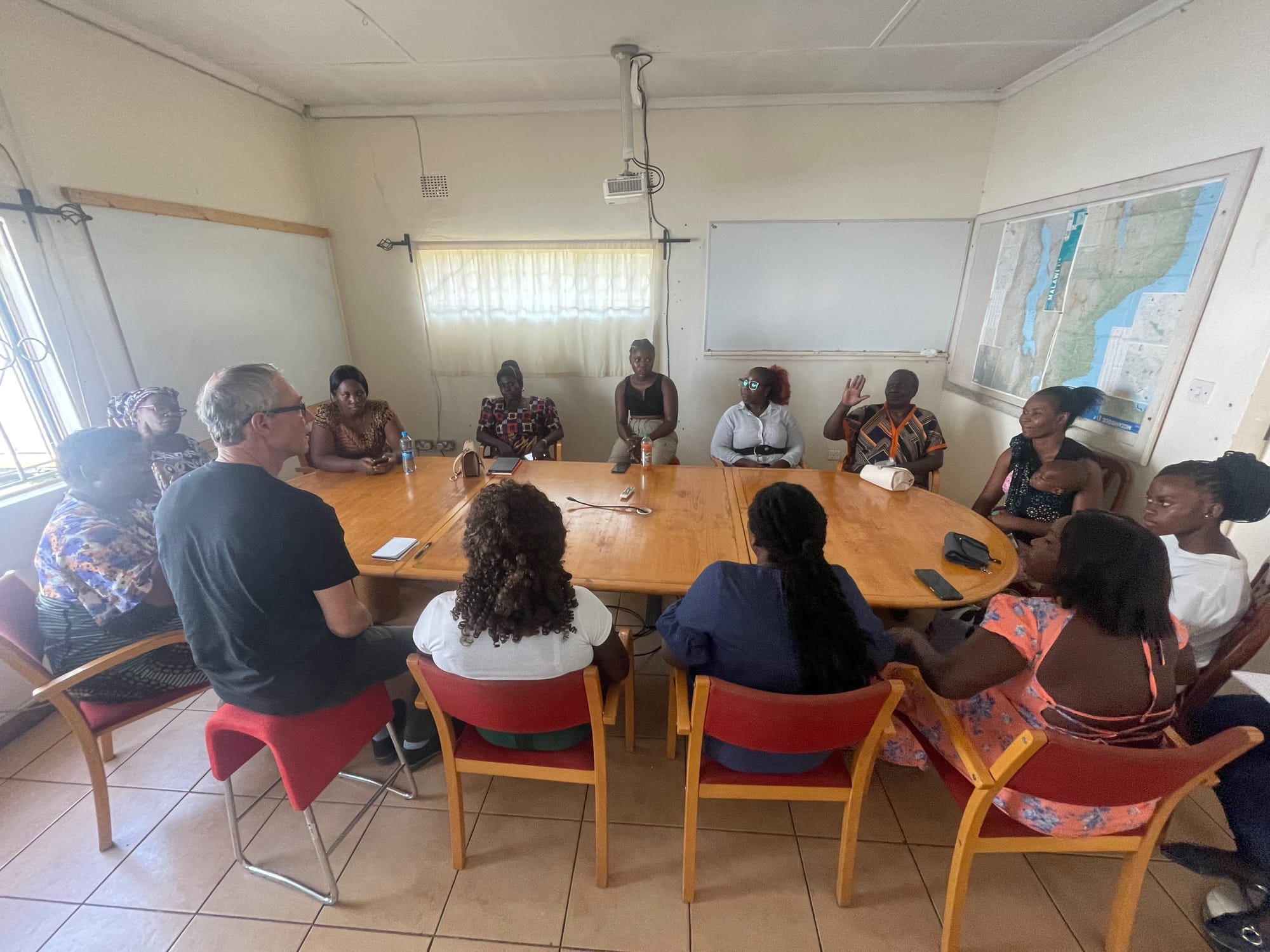
Then came the next question: "What challenges have you experienced?"
Four hands went up immediately. Three months without a working stove. Spare parts that had been stuck somewhere in a supply chain. A field agent who came, looked, and couldn't fix it. One woman described having carried 30kg bags of fuel pellets over five kilometers because the nearest depot had been too far. Another explained how she hadn't been able to charge her stove battery for weeks - load shedding and the wrong power plug meant her "clean cookstove" sat unused while she burned charcoal again.
This is the challenge every fast-growing impact organization eventually faces: when demand outpaces the systems you built for smaller-scale operations, success and struggle become intertwined.
Understanding the Scaling Challenge
The focus group revealed a pattern I've seen across impact projects: the technology works brilliantly, the customers are genuinely enthusiastic, but operational systems built for early-stage operations struggle under the weight of rapid growth.
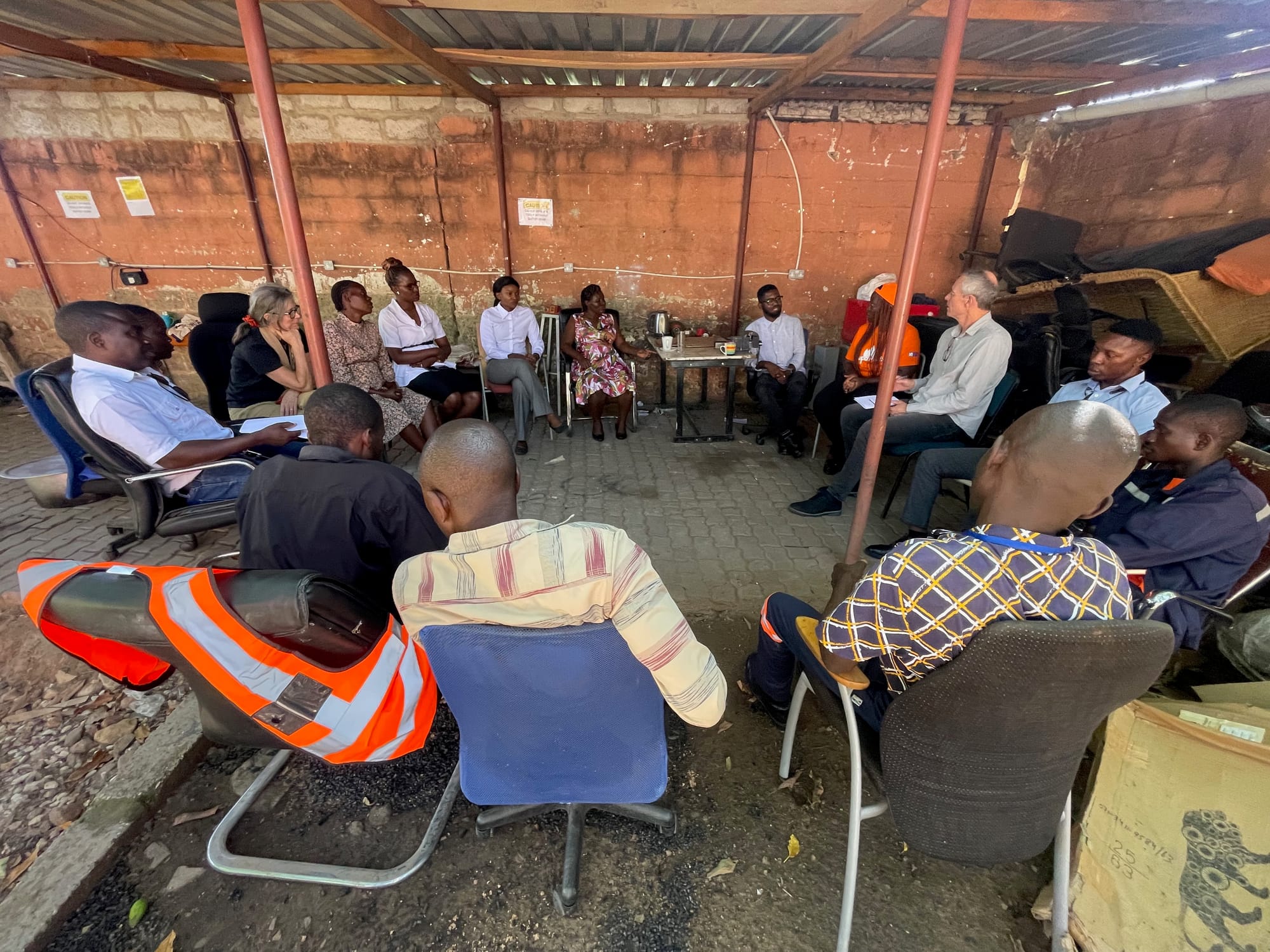
Of the twelve customers I spoke with, most had owned their stoves for less than 18 months. They praised everything - cooking times slashed, affordable fuel, simple operation. The word-of-mouth marketing was organic and relentless. Every customer reported being approached by neighbors asking how to get a stove, where to join SupaMoto.
This adoption validates the model. But it also exposed the challenge:
SupaMoto's operational infrastructure had been designed for a different scale.
Systems that work for proving concepts - spreadsheet inventory, WhatsApp coordination, manual logistics - created bottlenecks when thousands of customers depended on you daily.
Four of the twelve customers had experienced non-functioning stoves broken for over three months. A part would fail but inventory had been depleted; a field agent couldn't fix the issue; the spare part existed but logistics broke down getting it to that customer.
Context matters. Zambia experienced extreme load shedding over the past year - some areas receiving as little as three hours of electricity daily. This disrupted SupaMoto's entire operation, from manufacturing to service delivery. Add delayed financing that contributed to pellet shortages, and you see how external constraints compounded scaling challenges.
Battery charging had been widespread. Customers planned around power availability, only to find no electricity when needed. Some had wrong adapters and couldn't charge at all. Distribution logistics also needed optimization - customers carrying 20-50kg pellet bags over five kilometers wasn't sustainable.
These weren't product failures. They were scaling challenges that emerged when operational infrastructure hadn't been redesigned for the volume rapid growth demanded - exactly the transition SupaMoto has been navigating.
Redesigning Operations for Scale
This is exactly the type of challenge IXO's infrastructure was built to address - not just measuring impact, but enabling operational excellence at scale. SupaMoto is now implementing these tools as part of a broader process redesign, moving from fragmented systems to integrated operational infrastructure.
IXO Domains for Supply Chain Visibility
IXO Domains are structured data containers that inherit properties from parent domains - like an ever-branching tree where the protocol defines core properties, categories add specific requirements, and individual instances extend what came before.
For SupaMoto, this means structuring operations as nested domains:
Organisation → Regional Hub → Local Distributor → Customer Asset.
Each stove becomes a domain with maintenance history, each spare part batch becomes trackable inventory, each delivery gets recorded. When a customer reports an issue, the system knows which hub manages them, what inventory is available, which agent is assigned, and what the service protocol requires.
Verifiable Credentials for Operational Trust
Verifiable Credentials provide cryptographic proof that something happened without exposing unnecessary data. For SupaMoto, this creates audit trails while preserving privacy: fuel deliveries verified by distributors, service visits confirmed by technicians, repairs validated by customers. These credentials answer operational questions - Was the part delivered? Did an authorised technician attempt repair? Is warranty valid? What inventory is available? - without manually chasing paper records.
 Graeme Leighton
Flow Engine for Governed Operations
The Flow Engine turns scattered processes into visual, governed workflows. SupaMoto's service flow:
Customer reports issue → System checks warranty → Assigns technician → Verifies inventory → Schedules service → Technician confirms completion → Customer validates → Payment released.
Each step has clear permissions enforced automatically. Because IXO domains hold tokens, payment flows to field agents immediately once service is verified - no invoice delays, no manual reconciliation. This enables flexible service models: training and certifying community members to handle repairs, contracting them when needed, compensating them instantly. This scales service capacity without expanding overhead while creating income opportunities in served communities.
The Broader Implication
Most impact organizations prove their solution works, then struggle to deliver consistently at scale. They excel at product-market fit but falter on operational infrastructure. IXO's architecture bridges this gap by making operations transparent, coordinated, and verifiable by design - essential for regenerative projects that need to deliver at scale, not just demonstrate impact in pilots.
Moving Forward
Impact organisations face a predictable trajectory: prove the model, see demand surge, watch early-stage systems become constraints. The question is how quickly you redesign operations to meet scale.
SupaMoto is well advanced in this transition. Working with IXO, they're implementing integrated infrastructure for inventory management, service coordination, and payment settlement - moving from fragmented spreadsheets and messaging apps to unified systems. The process redesign is substantial, but the trajectory is clear and operational performance is already improving.
This isn't theoretical. The infrastructure challenges I observed represent the tail end of a constraint period SupaMoto is decisively coming out of. They're not patching problems - they're rebuilding operational architecture to handle the scale their customer demand warrants.
The lesson extends beyond SupaMoto:
you can't solve scaling challenges with disconnected tools. You need infrastructure where visibility, verification, and coordination are fundamental - not bolted on afterward.
The customers I met love their stoves. That demand is growing. SupaMoto's operational transformation ensures they can meet it - the transition that separates pilot projects from organisations building lasting change.
If your organisation faces similar scaling challenges, connect with alwyn.vanwyk@ixo.world to explore how IXO can help.