For the last decade, the technology industry has been obsessed with prediction.
We built massive probabilistic engines (AI) to guess what comes next.
- What word comes next in the sentence?
- What stock price comes next on the ticker?
- What video frame comes next in the clip?
We treated the future like a casino. We believed that if we just gathered enough data and built a big enough model, we could beat the house.
But prediction is a trap. It assumes we are passive observers of a future that is happening to us.
At IXO, we are building for a different paradigm. We don't want to predict the future. We want to game it.
The World is a State Machine
When we say "Game the Future," we don't mean playing around. We mean treating reality with the rigorous, deterministic precision of a game engine.
In a video game, you don't "hallucinate" a wall. The wall exists because the physics engine says it exists. If you try to walk through it, the state machine stops you. The rules are absolute. The state is shared.
Qi is the attempt to bring that same State Physics to the real economy.
Most of the "slop" we see in the AI agent ecosystem today—the subject of Part 1 of this series—comes from a lack of physics. Agents are operating in a void, hallucinating outcomes, unconnected to consequence. They are playing a game with no rules, no scoreboard, and no referee.
 IXO World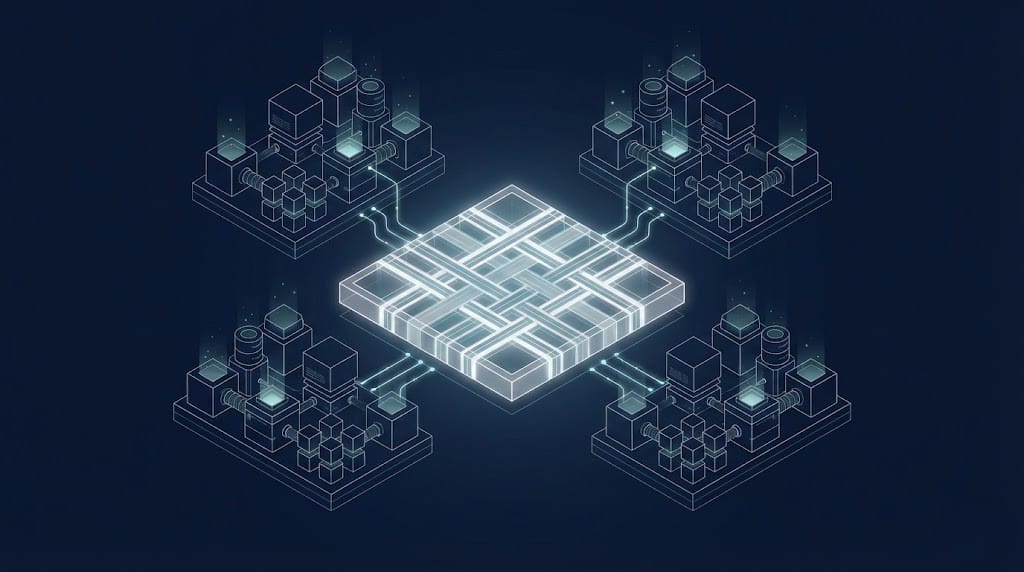
ICYMI: The State of Agents (Part 5/6) argues the “platform of platforms” cannot be built on APIs alone. It needs a ledger for shared state, audit trails, and settlement, so agents coordinate on verified state, not message passing.
Intelligent Cooperation Requires a Board
You cannot have an "Intelligent Cooperating System" without a shared board.
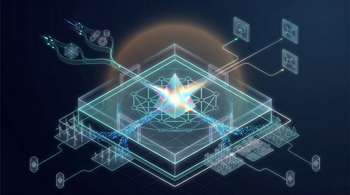
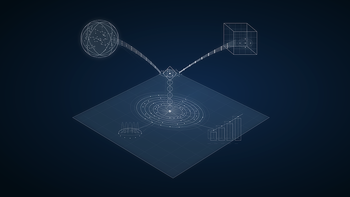
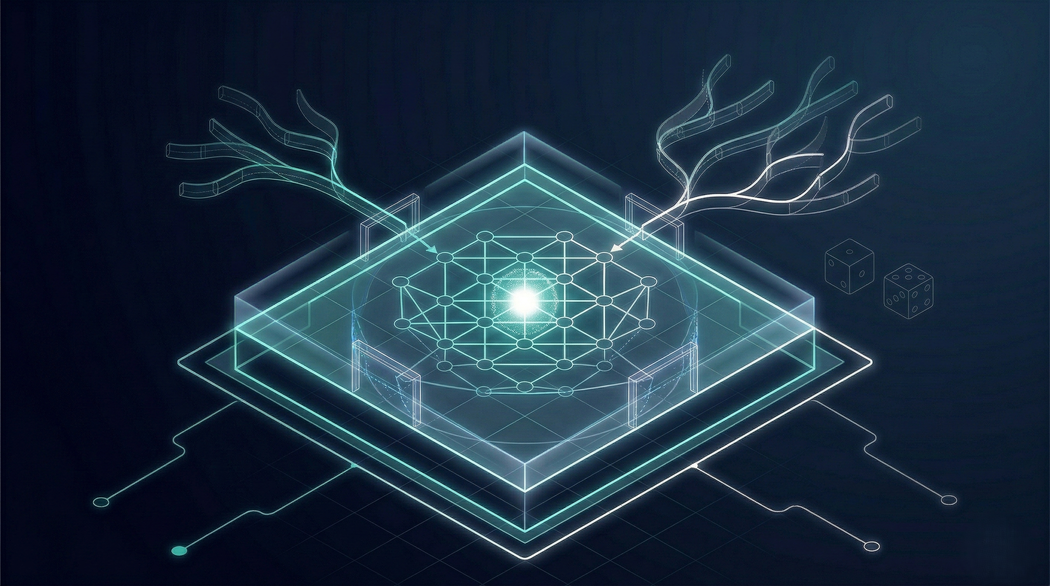
In Qi, the "board" is the Global State—the intertwined graph of verifiable claims, assets, rights, and outcomes.
- The Players: Humans and Agents.
- The Moves: State Transitions (verifying a claim, settling a payment, retiring a carbon credit).
- The Physics: The Protocol (Smart Contracts, Capabilities, Governance).
When you have a board, you stop guessing and start playing.
Simulation is the New Strategy
This architecture unlocks the true power of AI: Simulation.
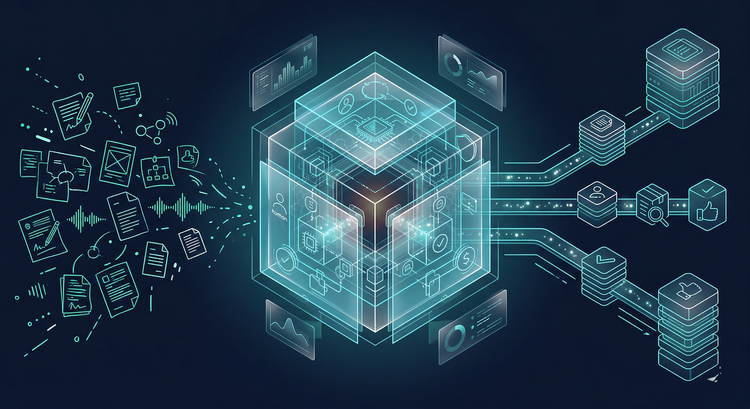
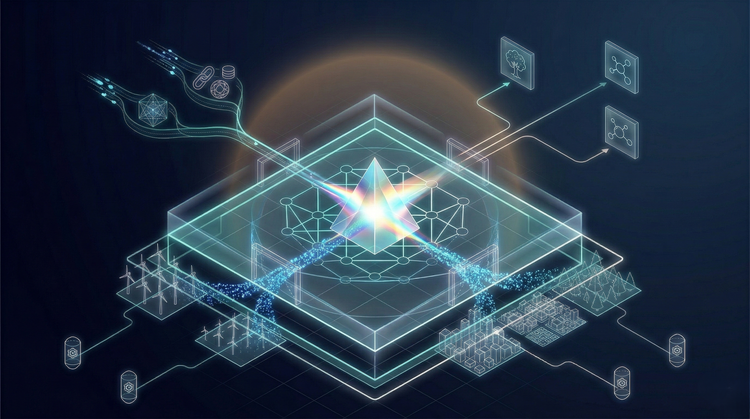
Because Qi provides a high-fidelity, stateful representation of the world (a "Digital Twin" of the economy), agents can run thousands of scenarios before they act. They can "game out" the supply chain bottleneck. They can "game out" the carbon impact of a new policy.
They play the game in the simulation, find the optimal path, and then—critically—execute that path in reality.
This is the loop:
- Simulate (Find the winning move in the Model).
- Execute (Commit the move to the Ledger).
- Verify (Prove the state changed).
This isn't prediction. It is Orchestration.
The Internet of Impact
We are moving from the Internet of Information (copying files) to the Internet of Impact (changing state).
In the Internet of Information, the ultimate metric was Attention. In the Internet of Impact, the ultimate metric is Coherence.
- Did we actually lower the temperature?
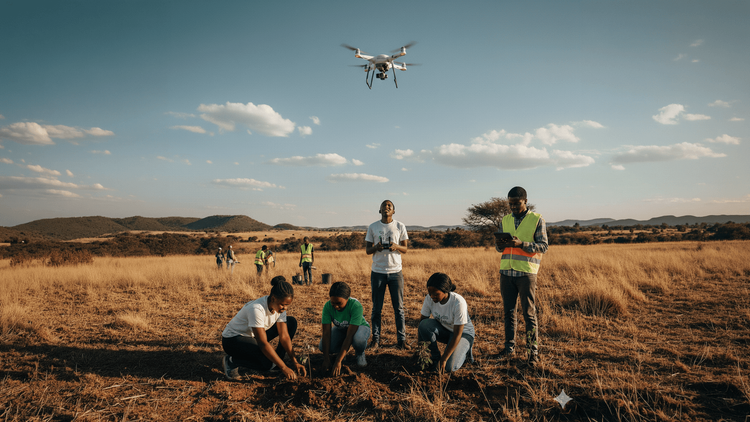
- Did we actually fund the school?
- Did the system cohere, or did it fall apart?
The future isn't going to be saved by a chatbot that writes poetry. It is going to be saved by systems that can coordinate action, at scale, without error, under constraint.
The Final Move
The era of "AI Hype" was about marvelling at the magic trick. The era of Qi is about learning how the trick works—and using it to build something real.
We are done rolling dice. We have built the board. We have defined the physics. Now, we play.
Series Conclusion
This concludes "The State of the Agent."
Over the last six parts, we have mapped the migration from:
- Instruction → Capability
- Access → Authority
- Supervision → State Physics
- Efficiency → Settlement
- APIs → Ledgers
- Prediction → Orchestration
The technology for this transition exists today. The only question remaining is who has the will to implement it.